




Tori Removal
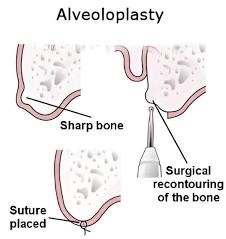 Tori removal is a surgical procedure to remove bony growths in the mouth, often performed under local anesthesia when tori interfere with oral function, speech, or dental appliances. The procedure involves making an incision in the gum, using surgical instruments to smooth the excess bone, and then closing the incision with sutures. Post-operative care includes managing discomfort with a soft diet, avoiding strenuous activity, and following your surgeon’s instructions, with recovery typically taking several weeks.
When tori are removed
- Mandibular tori (on the lower jaw) or palatal tori (on the roof of the mouth) do not always need to be removed.
- Removal is recommended if they cause problems such as:
- Interference with the fit of dentures, braces, or other appliances
- Difficulty or pain while chewing or speaking
- Recurrent irritation, soreness, or food trapping
- Issues with maintaining good oral hygiene
- Interference with dental treatments, like implant placement
How the surgery is performed
- The procedure is typically done with local anesthesia, with sedation available for comfort.
- A surgeon makes a small incision in the gum tissue to access the bony growth.
- Specialized instruments are used to carefully remove or reshape the excess bone.
- The gum tissue is then repositioned and closed with sutures, sometimes dissolvable ones.
- The surgery itself is often quick, usually taking 30 to 60 minutes.
Recovery and aftercare
- Slight swelling and soreness are common, and a soft food diet is recommended.
- Avoid strenuous activity for a few days and avoid alcohol and smoking.
- Use cold packs on the outside of the face for comfort.
- Follow all instructions for cleaning the area to prevent infection.
- Most recovery takes several weeks.
Risks and recurrence
- Risks are generally low but can include bleeding, swelling, bruising, or infection.
- The risk of nerve irritation is low because tori are usually not near major nerves.
- Regrowth of tori after removal is rare, though it can occasionally happen, especially in patients with certain genetic conditions.